


Knowledge Base
Use this guide to understand men's dress codes, choose the right suit fit, and prepare for weddings, formal events, celebrations, and everyday occasions. For individual recommendations, our Personal Stylist team is available in store, by phone, or by email.
Last reviewed: August 30, 2026
Explore the Knowledge Base
- Occasion Style Guides
- Suit Fit and Sizing
- Formalwear Guidance
- Seasonal Fabric Guide
- Suit Care and Travel
- Store Services
- Shopping Help
Occasion Style Guides
What should a man wear to a 1920s Gatsby party?
A polished 1920s-inspired look begins with a dark, charcoal, navy, or pinstriped suit. Pair it with a white dress shirt, waistcoat, bow tie or necktie, pocket square, and polished leather shoes. A fedora, suspenders, or collar pin can add period character without turning the outfit into a costume.
For a formal evening event, a black tuxedo with a white shirt and black bow tie is the strongest option. Choose a fuller trouser line and a structured jacket for a silhouette closer to the era. Zoot suits are more closely associated with the late 1930s and 1940s, so they are not the most accurate choice for a strictly 1920s theme.
What should a man wear to a Quinceañera?
Most Quinceañeras call for attire similar to a wedding or formal celebration. A navy, charcoal, black, or medium-gray suit with a dress shirt, tie, and leather shoes is appropriate for most guests. A pocket square or tie can coordinate with the event colors, but members of the court should follow the family's requested color and style.
If the invitation specifies black tie, wear a tuxedo. If no dress code is provided, ask the host or choose a suit rather than casual clothing. Avoid wearing an outfit that competes with the honoree or the court.
What should a father wear to a daddy–daughter dance?
Start with the event's dress code. For semi-formal events, wear dress trousers with a button-down shirt and sport coat, or choose a complete suit. For formal events, a dark suit, tie, and polished dress shoes create a timeless look. Coordinate a tie, pocket square, or boutonnière with your daughter's outfit instead of trying to match every color exactly.
Because these events often include keepsake photographs, prioritize clean lines, proper trouser length, polished shoes, and a jacket that fits correctly through the shoulders.
What should I wear to prom, a wedding, or a black-tie event?
- Prom: A suit or tuxedo can work. Follow the event's level of formality and coordinate accessories thoughtfully with your date.
- Wedding guest: Follow the invitation. A navy, gray, brown, or seasonal suit is appropriate for most formal and cocktail weddings.
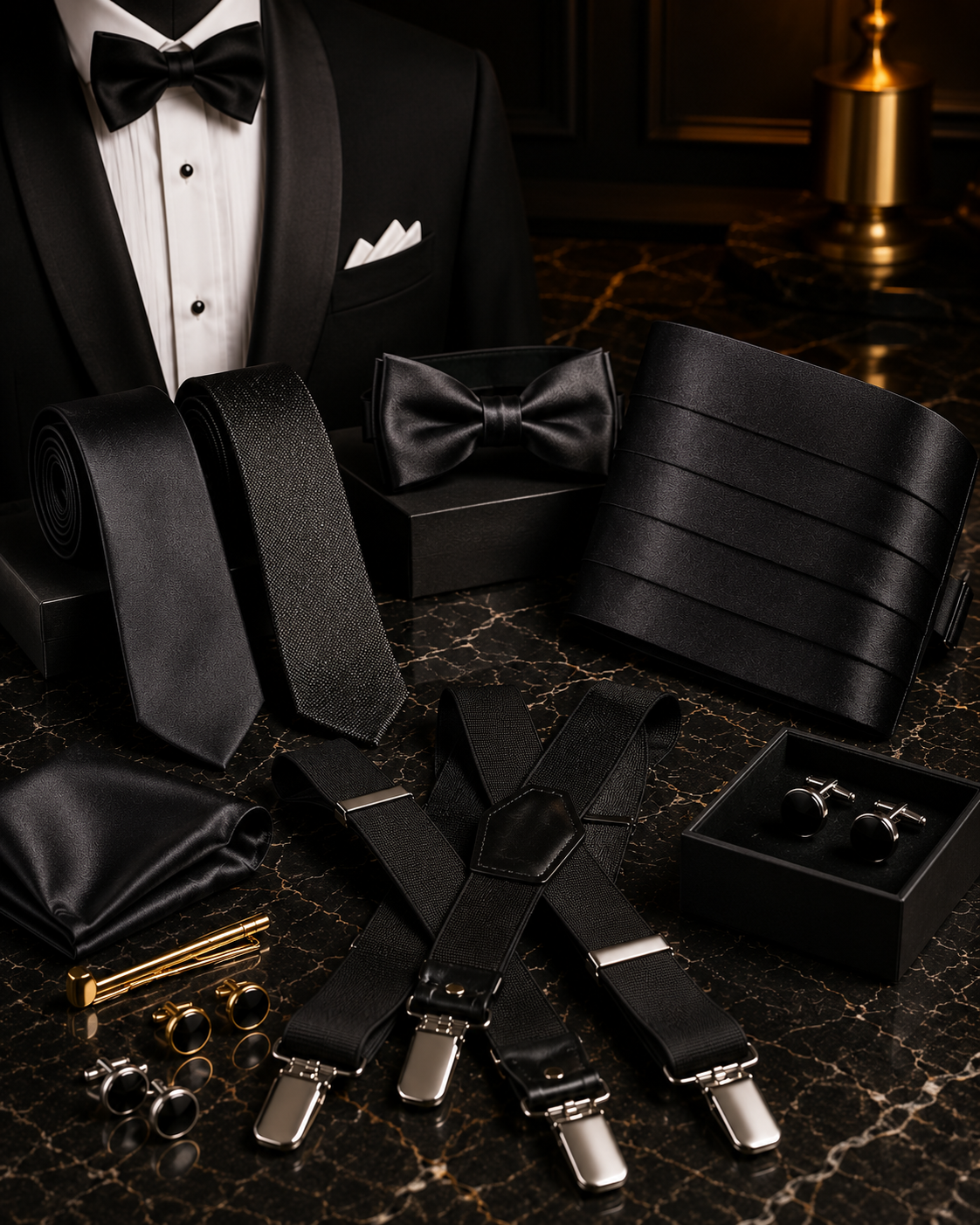
- Black tie: Wear a tuxedo, formal white shirt, black bow tie, and black dress shoes.
- Black-tie optional: A tuxedo is preferred, but a dark, well-tailored suit with a conservative tie is acceptable.
For rental formalwear, browse our Rental Tuxedos & Suits. Rentals are fitted and ordered in store.
What should I wear to other common occasions?
- Job interview: Choose a navy or charcoal suit, a white or light-blue shirt, a restrained tie, and polished dress shoes. The goal is to look prepared without distracting from the conversation.
- Funeral or memorial service: Wear a dark navy, charcoal, or black suit with a subdued shirt and tie. Keep patterns, jewelry, and accessories minimal unless the family requests a different style of dress.
- Graduation: A suit or sport coat with tailored trousers photographs well and works for most ceremonies. Choose breathable fabrics and comfortable shoes when the event is outdoors or requires extended walking.
- Church or worship service: Follow the expectations of the congregation. A suit is appropriate for traditional services, while a sport coat, collared shirt, and tailored trousers can suit a less formal setting.
- Holiday party: Follow the invitation. A dark suit works broadly; velvet, rich seasonal colors, or a patterned jacket can add personality for festive evening events.
- Cruise or resort formal night: Check the cruise line's dress code before packing. Lightweight suits work well in warm climates, while some formal nights call for a dark suit or tuxedo.
How should a wedding party coordinate?
Choose the groom's look first, then build the wedding party around it. Groomsmen should share a consistent level of formality and a coordinated suit or tuxedo, while ties, pocket squares, vests, or boutonnieres can connect the group to the wedding colors.
Fathers of the couple should complement the wedding party without necessarily dressing identically. Guests should follow the invitation and avoid matching the wedding party so closely that they appear to be members of it. Order or reserve formalwear early enough to allow time for fittings, alterations, and replacement sizes.
Suit Fit and Sizing
How do the main suit fits compare?
| Fit | Best description |
|---|---|
| Classic fit | The roomiest option, with more space through the chest, waist, seat, and thigh. |
| Modern fit | A balanced silhouette that is cleaner than classic fit without feeling restrictive. |
| Tailored fit | Shaped through the waist with clean lines and lightly tapered trousers; generally between modern and slim fits. |
| Slim fit | Cut closer through the chest, waist, sleeves, seat, and thigh for a sharper silhouette. |
Fit names and measurements can vary by brand. Always compare your body measurements with the individual product information rather than relying only on the fit name.
How should a suit jacket fit?
- Shoulders: The shoulder seam should end close to the edge of your natural shoulder without dimpling or extending past it.
- Chest and waist: The jacket should button comfortably without pulling into an “X” shape or hanging loosely.
- Length: Jacket length depends on the cut and your proportions, but it should create a balanced line from the front and back.
- Sleeves: A small amount of shirt cuff should show when your arms rest naturally.
How should suit trousers fit?
The waistband should sit securely without requiring a tightly fastened belt. The seat and thigh should lie cleanly without pulling, and the trouser hem should meet the shoe with the amount of break you prefer. Slimmer trousers usually look best with little or no break; traditional trousers may have a slight break.
Use our Find Your Suit Size tool and Size Chart for additional help. When between sizes or shopping for an important event, contact us before ordering.
How do I take basic suit measurements?
Use a flexible measuring tape over a dress shirt or light clothing. Keep the tape comfortably close to the body without pulling it tight, and ask another person to help whenever possible.
- Chest: Measure around the fullest part of the chest, under the arms, keeping the tape level across the back.
- Natural waist: Measure around the torso near the natural waist. For trousers, also measure where you normally wear the waistband.
- Sleeve: With the arm relaxed and slightly bent, measure from the shoulder point down to the desired jacket-cuff position. Follow the specific brand's chart when it requests a different method.
- Inseam: Measure from the crotch seam to the desired trouser hem. Consider the shoe and amount of trouser break you plan to wear.
- Jacket length: Measure from the base of the neck down the back to the desired jacket hem. Proper length depends on your height, proportions, and the jacket's design.
Compare your measurements with the product's size information because sizing and fit names vary by brand. When measurements fall between sizes, contact our styling team before ordering.
Formalwear Guidance
What is the difference between a suit and a tuxedo?
A suit uses the same fabric across the jacket and trousers and is commonly worn with a necktie or open collar. A tuxedo traditionally includes satin or grosgrain details on the lapels, buttons, pocket trim, or trouser seam and is worn for more formal evening occasions.
Choose a tuxedo when the invitation says black tie. Choose a suit for business events, cocktail attire, most weddings, church, graduations, dinners, and occasions where greater versatility is useful.
What do common dress codes mean?
- Black tie: Tuxedo, formal shirt, bow tie, and dress shoes.
- Formal or black-tie optional: Tuxedo or dark suit with formal accessories.
- Cocktail: Suit with a dress shirt, tie, and polished shoes; color can vary by season and event.
- Business professional: Navy, charcoal, or gray suit with a conservative shirt and tie.
- Smart casual: Sport coat or structured jacket with a collared shirt, tailored trousers, and refined shoes.
How should I coordinate suit colors and accessories?
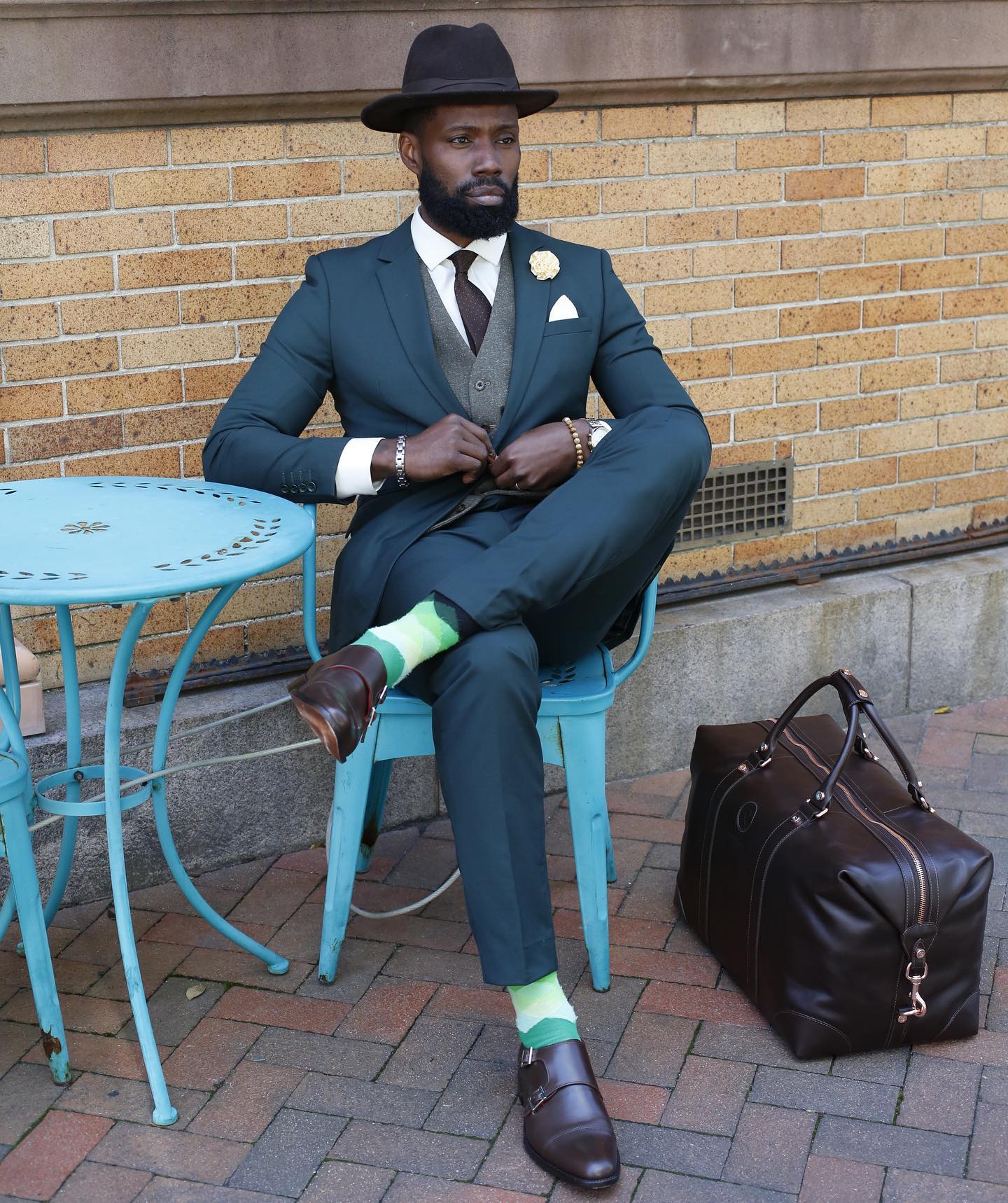
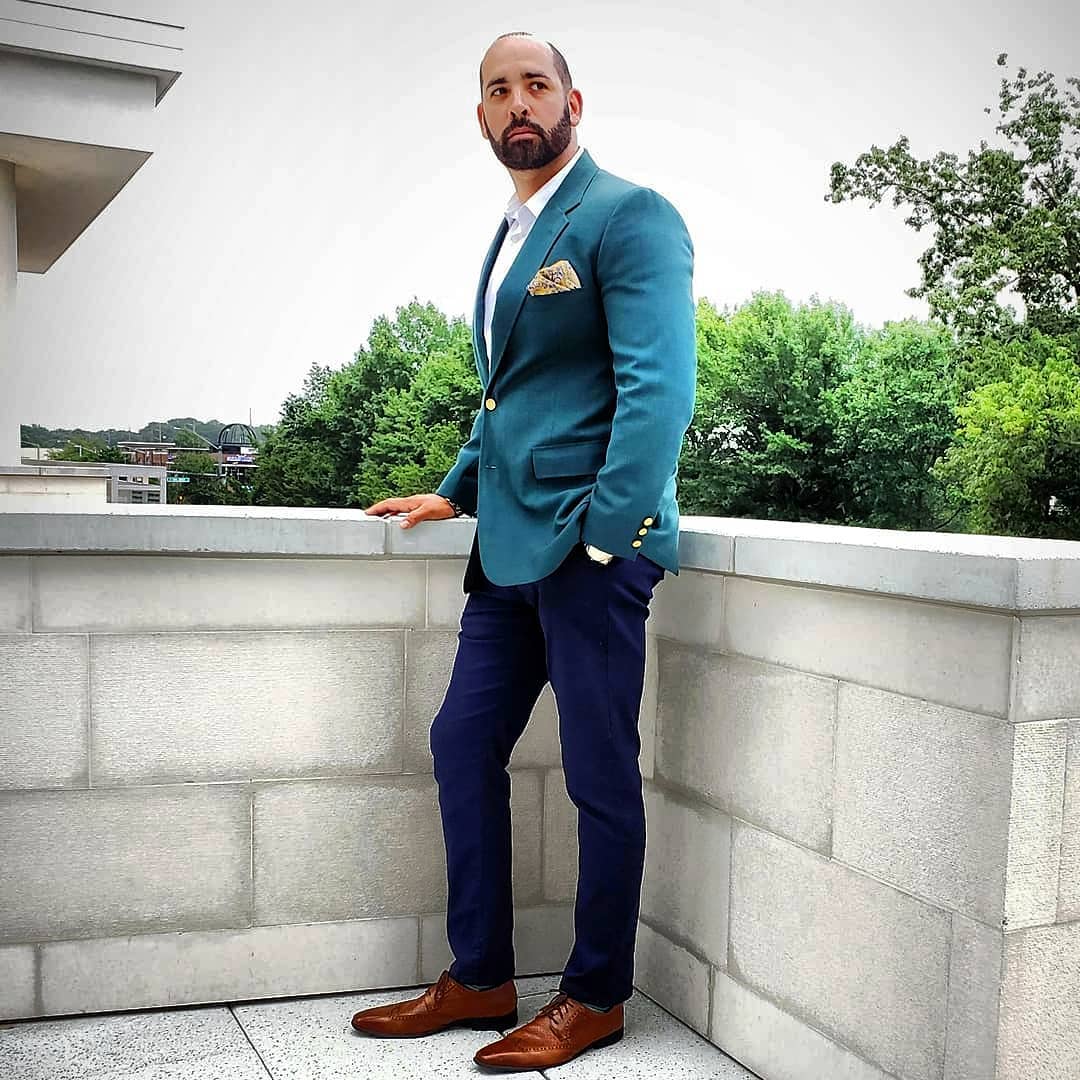
Build the outfit around one dominant color and use the shirt, tie, pocket square, shoes, and belt to support it. Navy works well with brown or black shoes; charcoal and black are strongest with black shoes; lighter gray, tan, and brown suits pair naturally with brown tones. Your tie and pocket square should coordinate without being identical.
When coordinating with a partner or event palette, repeat one accent color in a tie, bow tie, pocket square, vest, or boutonnière. Keep the suit itself neutral when you want the accessories to carry the color.
Seasonal Fabric Guide
Wool
Wool is the most versatile suiting fabric. Lightweight worsted wool can work through much of the year, while flannel and heavier wool provide warmth and texture in cooler weather. Wool drapes cleanly and suits business, weddings, formal events, and frequent wear.
Linen
Linen is breathable and well suited to warm-weather weddings, outdoor celebrations, cruises, and resort events. Its natural wrinkles are part of the relaxed look. Choose a linen blend when you want more structure and fewer wrinkles.
Cotton
Cotton suits and trousers provide a softer, more casual appearance than traditional wool. They work well for daytime events, smart-casual settings, and mild or warm weather, but may crease more readily than wool.
Velvet
Velvet is best used as a statement fabric for cooler-weather evening events, holiday parties, dinner jackets, and formal celebrations. Keep the remaining pieces restrained so the texture remains the focus.
Blended fabrics
Fabric blends can combine wrinkle resistance, stretch, breathability, durability, or a lower weight. Review the garment label and product information to understand the blend and choose it according to the season, dress code, and how often you expect to wear it.
Suit Care and Travel
Everyday care
- Hang jackets on broad, shaped hangers that support the shoulders.
- Allow a suit to air between wears and brush away surface dust or lint.
- Empty pockets before hanging the garment to prevent stretching.
- Use light steaming to relax wrinkles. Avoid pressing delicate fabric directly with a hot iron.
Dry cleaning and storage
Dry-clean a suit when it is visibly soiled, stained, or holding an odor rather than after every wear. Repeated chemical cleaning can shorten the life of the fabric. Address stains promptly and tell the cleaner what caused them when known.
Store suits clean and dry in a breathable garment bag with room around the shoulders. Avoid sealed plastic storage for long periods, damp spaces, and direct sunlight. Follow the care label because fabric blends, trims, and construction methods can require different treatment.
Traveling with a suit
A garment bag offers the best protection. When packing in luggage, fold the jacket gently with the shoulders supported and avoid placing heavy items on top. Hang the suit as soon as you arrive and use light steam to release travel wrinkles. Pack dress shoes separately so they do not mark the fabric.
Store Services
Alterations and tailoring
Our Norfolk store offers alterations, repairs, hemming, tapering, sleeve adjustments, and other tailoring services for suits, sport coats, trousers, shirts, and additional garments. Same-day and rush service may be available. See current services and prices on our Alterations & Tailoring page.
Personal styling
Our fashion team can help coordinate clothing and footwear for weddings, prom, work, church, celebrations, or a wardrobe update. Visit our Personal Stylist page to get started.
Suit and tuxedo rentals
Formalwear rentals are arranged in store and are not available through online checkout. Explore available looks on our Rental Tuxedos & Suits page, then visit us for fitting and ordering.
Shopping Help
- Frequently Asked Questions: Ordering, payment, sizing, shipping, returns, Redo coverage, and Customer Care.
- Shipping Policy: Processing times, free shipping, international delivery, tracking, and package claims.
- Returns & Exchanges: Eligibility, the 30-day request period, exchanges, refunds, and Redo Return Coverage.
- Redo Portal: Start an eligible return, exchange, or package-protection claim.
- Contact Customer Care: Get personalized help with an order, product, size, or service.
Need help choosing a look? Call our telephone-order and styling line Monday through Saturday at 757-240-7439, or contact Customer Care at 757-459-2218.
